Why This Site Exists for Embroidery
You’re probably here because you’ve searched for a simple answer to a stubborn embroidery question and found only marketing fluff or five-year-old blog posts. That’s where this site steps in: no empty promises, no bait-and-switch. The initial frustration? We felt it too—conflicting tutorials, missing diagrams, and no real sense of what actually works for beginners versus veterans. Instead of following the noise, we chose a hands-on, detail-obsessed approach. Every technique listed is tested on real fabric, not just described in theory. We talk trade-offs—thread type, hoop style, stitch tension—because embroidery is full of them. Our mission isn’t to sell a dream or pretend there’s one best way; it’s to map the landscape honestly, so you know what you’re getting into before you sink hours into a project. Community input is central. If a method fails or feels awkward, we say so and explain why. We focus on practical application, not perfection. This project is shaped by people who like to see the back of the work as neat as the front—because details matter, and so do the people who care about them.
Say hello- 15
-
Beginner guides
Pages dedicated to embroidery basics
- 30
-
Techniques listed
Step-by-step technique breakdowns
- 100+
-
User input
Community submissions and feedback forms
Meet the Contributors and Community Moderators
If you’ve ever wondered who’s responsible for the relentless fact-checking and the
insistence on straight talk, meet the small team behind the site. Each member brings a
different specialty: from pattern testing, to supply research, to user feedback moderation.
No influencers—just practitioners who care about getting it right.

Avery Thompson, Lead Research Contributor
Research and content validation
Melbourne, Victoria, Australia
Coordinates technique reviews and verifies every stitch method listed. Known for prioritising accuracy over trends, and not sugar-coating the limitations of certain embroidery tools. Enjoys comparing old and new materials.
Areas of technical focus
Surface embroidery stitches
Technical pattern review
Material comparison tests
Process documentation

Morgan Lee, Community Engagement Lead
User submissions and editorial review
Adelaide, South Australia
Leads the user feedback cycle, reviewing all community submissions for clarity and reproducibility. Brings a blunt editorial style, ensuring content stays grounded and practical. Balances tradition with testing new stitches.
Key moderation strengths
Feedback moderation
Instructional clarity
Technique reproducibility
Traditional stitch analysis
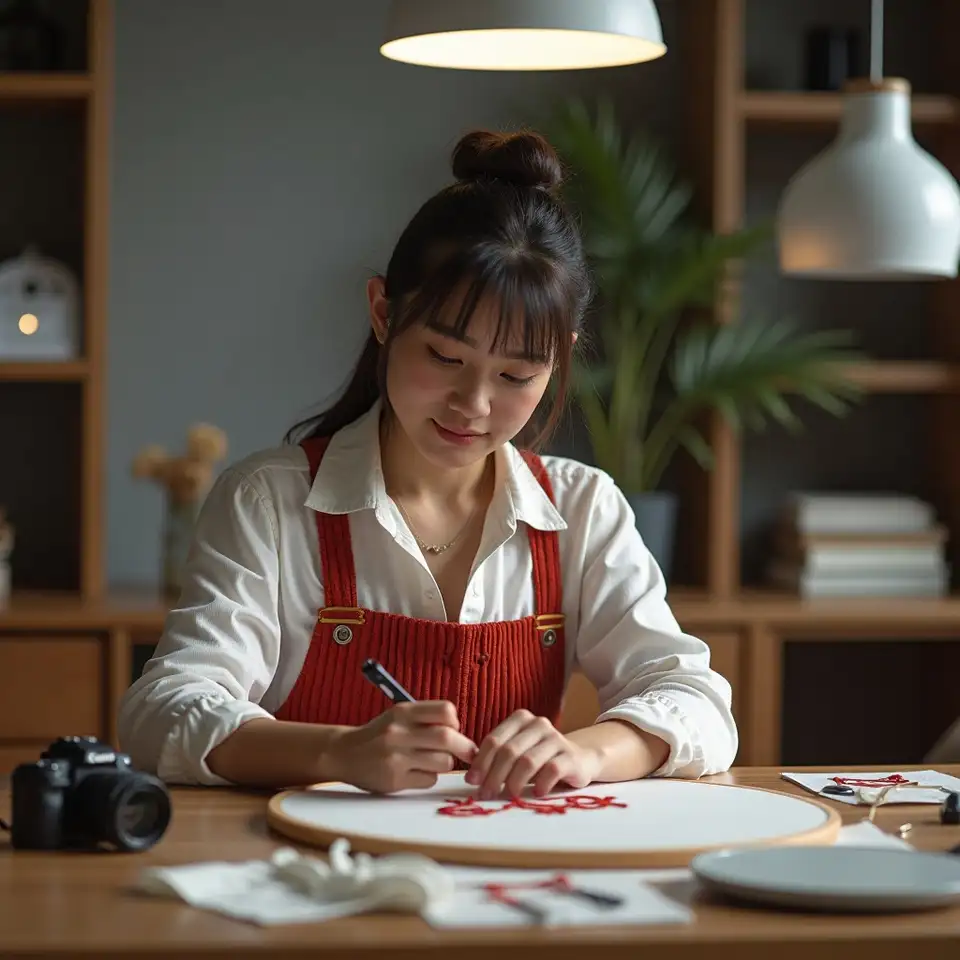
Taylor Singh, Visual Documentation Specialist
Imaging and digital presentation
Brisbane, Queensland, Australia
Focuses on photography, layout, and digital presentation of embroidery work. Ensures every technique page shows clear, honest images with visible results. Documents both successful and failed attempts for transparency.
Presentation and transparency
Embroidery photography
Layout consistency
Digital publishing
Result transparency
Core Values
We operate on the assumption that most embroidery advice is either too vague or too
sales-driven. Our approach is to put accuracy, transparency, and reader experience
first—every time.
We skip the jargon and marketing gloss. Every page is written as if explaining to a peer, not selling to a stranger. This makes information more useful for beginners and advanced hobbyists alike.
Plain language
There’s always a downside to every shortcut. We detail the pros and cons of each method, tool, or material, so you can decide what’s worth your time and effort on each project.
Honest trade-offs
Real feedback shapes the site. If something doesn’t work, we revise it. Our readers’ experiments and corrections are published, credited, and weighed in every update to ensure accuracy.
User-driven contentYou’ll see both successes and failures in our technique galleries. No trick photography, no staged perfection—just actual outcomes from real attempts, so you know what to expect.
Transparency first